
Nishad Community History
Nishad Community History: Heritage, Culture and Identity
The Nishad community has a long and diverse cultural history in the Indian subcontinent. The name Nishad appears in ancient Indian literature and traditions, while communities identified with Nishad and related names have historically been associated with rivers, fishing, boating, agriculture, water-based livelihoods, and other occupations.
Over centuries, the community has developed rich traditions and regional identities across different parts of India. Today, Nishad communities can be found in several states, including Uttar Pradesh, Bihar, Madhya Pradesh, Rajasthan, Jharkhand, Chhattisgarh, West Bengal, and other parts of the country, although names, customs, and social identities can vary considerably by region.
Who Are the Nishads?
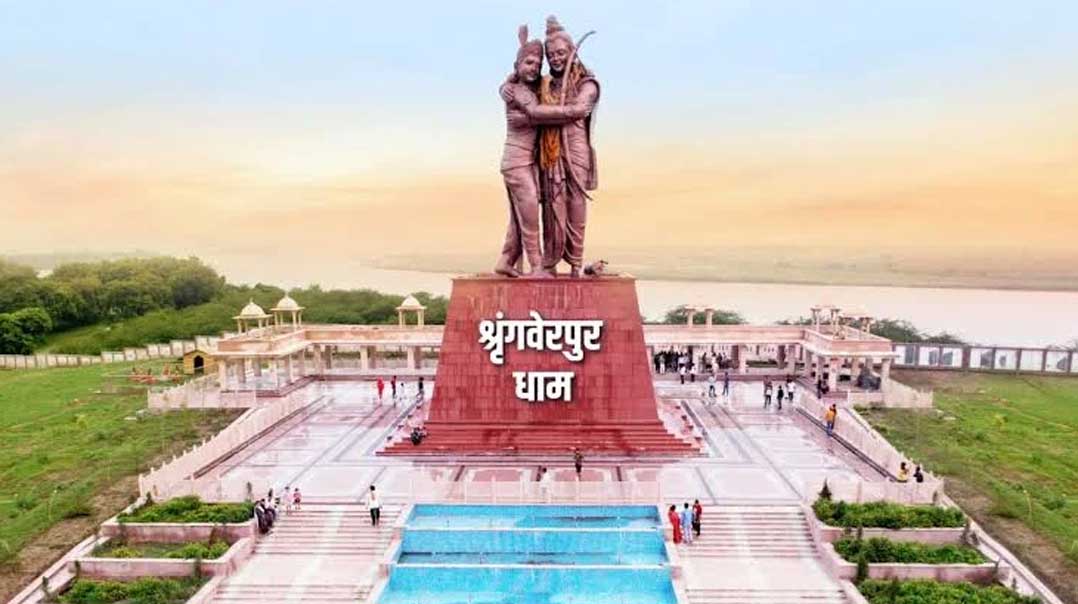
The term Nishad has historical and cultural references in Indian literature. In the Ramayana, Guha, traditionally described as the Nishada king, is an important figure associated with Lord Rama’s journey. The story of Guha is remembered in Indian cultural traditions as an example of friendship, loyalty, hospitality, and devotion.
References to Nishadas also occur in other ancient Indian texts. However, historical references to the term should not automatically be treated as a direct description of the modern community, because social identities and community names have changed over many centuries.
Nishad Communities and River Culture
Water has traditionally played an important role in the livelihoods and culture of many Nishad communities.
In different regions, families associated with Nishad and related community names have traditionally been involved in activities such as:
- Fishing
- Boating
- River transportation
- Working around lakes and ponds
- Agriculture
- Trading and related occupations
- Other local and traditional livelihoods
The importance of rivers has also influenced community traditions, festivals, food practices, and everyday life.
The Ganga, Yamuna and other major rivers of North India have particular cultural importance for many communities whose traditional livelihoods were connected with waterways.
Nishad Heritage in Indian Tradition
One of the best-known cultural references associated with the Nishad identity is Nishadraj Guha from the Ramayana tradition.
According to the epic narrative, Guha was the ruler of the Nishadas and welcomed Lord Rama during his exile. His relationship with Rama is remembered for its emphasis on friendship, loyalty, trust, and devotion.
The story continues to have cultural significance and is often referenced when discussing Nishad heritage and identity.
Nishad Community Across Different Regions
The Nishad identity is not completely uniform throughout India. Different regions have their own community names, customs, traditions, and historical experiences.
Depending on the state and locality, people may identify with names such as Nishad, Nishada, Mallah, Kewat, Bind, Majhi, Kevat, and other locally used identities. The relationship between these identities can vary from one region to another, so they should not always be treated as interchangeable.
This regional diversity is an important part of understanding Nishad history.
Traditional Occupations and Changing Times
For generations, many Nishad families depended on rivers and other water resources for their livelihoods. Fishing, boating, ferrying, and related occupations provided economic support for communities living near waterways.
Modern economic development has changed traditional occupations considerably. Today, Nishad community members work across a wide range of professions, including:
- Government services
- Education
- Business
- Agriculture
- Engineering
- Healthcare
- Technology
- Law
- Skilled professions
- Entrepreneurship
- Public administration
The community’s transition into new professions represents the broader social and economic changes taking place across India.
Education and Social Development
Education has become an important part of social and economic development within Nishad communities.
Increasing access to schools, colleges, professional education, digital technology, and employment opportunities has enabled younger generations to explore careers beyond traditional occupations.
Community organizations and individuals also contribute to education, social awareness, employment opportunities, and cultural preservation.
Nishad Culture and Family Values
Family and community relationships remain important aspects of Nishad social life in many regions.
Traditional celebrations may involve extended family members, relatives, community gatherings, music, food, religious ceremonies, and regional customs.
Marriage is another important social institution through which families maintain relationships and cultural connections.
At the same time, younger generations are increasingly combining traditional family values with modern ideas about education, careers, compatibility, and personal choice.
Nishad Marriage Traditions
Marriage customs among Nishad families can vary significantly according to region, religion, family traditions, and local culture.
Traditional matchmaking may involve parents, relatives, community networks, and introductions through trusted contacts.
Today, technology has created another option: online community matrimony.
Platforms such as Nishad Bandhan can help individuals and families discover potential matches beyond their immediate social networks while still considering community connections and family preferences.
Nishad Community in Modern India
The Nishad community today is much more diverse in terms of education, occupation, location, and lifestyle than traditional descriptions might suggest.
Many Nishad families are now part of India’s growing urban and professional population. Young people increasingly live in cities, pursue higher education, start businesses, work in professional fields, and build careers across different parts of India and abroad.
This transformation demonstrates that community identity can continue alongside social and economic change.
Preserving Nishad Heritage
Preserving community history is important because cultural heritage connects present generations with their past.
Some ways to preserve Nishad heritage include:
- Recording family and community histories
- Documenting traditional occupations
- Preserving folk songs and stories
- Recording regional customs and festivals
- Supporting education
- Encouraging community archives
- Documenting historical sites and traditions
- Sharing authentic historical research
- Passing cultural knowledge to younger generations
Digital platforms can also play an important role in documenting community stories and connecting people across geographical boundaries.
The Future of the Nishad Community
The future of the Nishad community will be shaped by education, entrepreneurship, technology, professional opportunities, social development, and cultural awareness.
While traditional occupations and lifestyles continue to change, cultural identity can remain an important source of connection and belonging.
The younger generation has an opportunity to preserve the community’s heritage while creating new paths in education, employment, business, technology, and professional life.
Nishad Heritage: From Tradition to a New Generation
The history of the Nishad community reflects India’s broader history of changing occupations, regional cultures, social relationships, and economic development.
From traditional connections with rivers and waterways to modern careers in cities and professional fields, Nishad communities have experienced significant transformation while continuing to value family, community, and cultural heritage.
Understanding this history requires recognizing both the shared heritage and the considerable regional diversity within communities identified as Nishad.
Nishad Bandhan – Connecting the Community
Nishad Bandhan is a community-focused matrimony platform created to help individuals and families find compatible life partners while maintaining their connection with the Nishad community.
As the community enters a new generation, technology can help people stay connected—not only through relationships and matrimony, but also through the sharing and preservation of community heritage.
Find your connection. Find your partner. Preserve your heritage.
Frequently Asked Questions
What is the history of the Nishad community?
The term Nishad has references in ancient Indian literature and traditions. Over time, communities using Nishad and related identities developed diverse regional cultures and livelihoods, particularly around rivers and water-based occupations.
Where are Nishad communities found in India?
Nishad communities and people using related community identities are found across several parts of India, particularly in North and Central India. Their names and traditions vary by region.
What were traditional Nishad occupations?
Many Nishad families historically depended on fishing, boating, river transportation, agriculture, and other water- or locality-based occupations, although livelihoods have diversified substantially.
Who was Nishadraj Guha?
Nishadraj Guha is a prominent figure in the Ramayana tradition, where he is portrayed as the Nishada king and a close friend and supporter of Lord Rama.
Are all Nishad-related communities the same?
No. Community names, customs, social identities, and historical experiences vary significantly across regions. Similar names should not automatically be assumed to represent identical communities.
We write rarely, but only the best content.
